Early Beginnings and Foundation (1667)
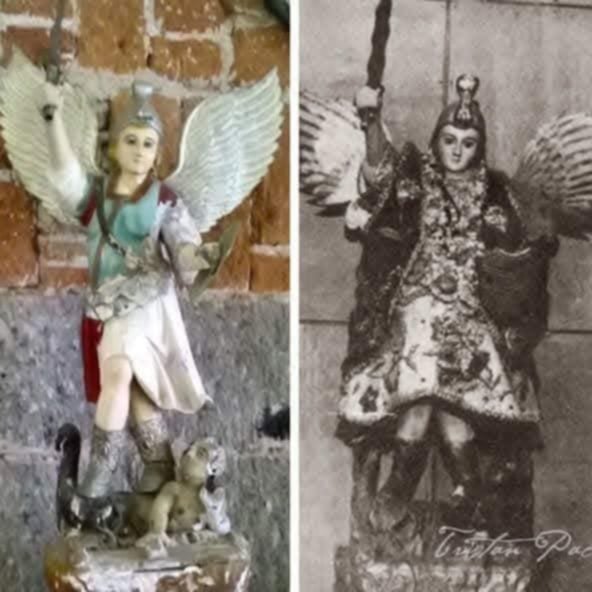
The Parish of Saint Michael the Archangel of Orion is one of the historic Catholic communities in the province of Bataan. Its history is closely tied to the establishment and development of the town of Orion. Before becoming an independent parish, Orion served as a visita of the Parish of Santo Domingo de Abucay.
On April 30, 1667, during the Provincial Chapter of the Dominicans in the Philippines, the visita of Orion was formally separated from its mother parish in Abucay. At the same time, Orion was established as an independent town. Saint Michael the Archangel was chosen as the patron saint, and the parish became known as the Parroquia de San Miguel de Orion. Fray Domingo Perez was appointed as its first parish priest (cura párroco).
The establishment of the parish in 1667 marked an important milestone in the development of Catholic life in Orion. Fray Perez also played an important role in the early development of the community. Among his contributions was the construction of a dam that helped regulate the flow of water into the town and provided more favorable conditions for agriculture. These efforts contributed to the stability of the community and fostered the continued growth of Catholic life in Orion.
The Hermit of Pandan
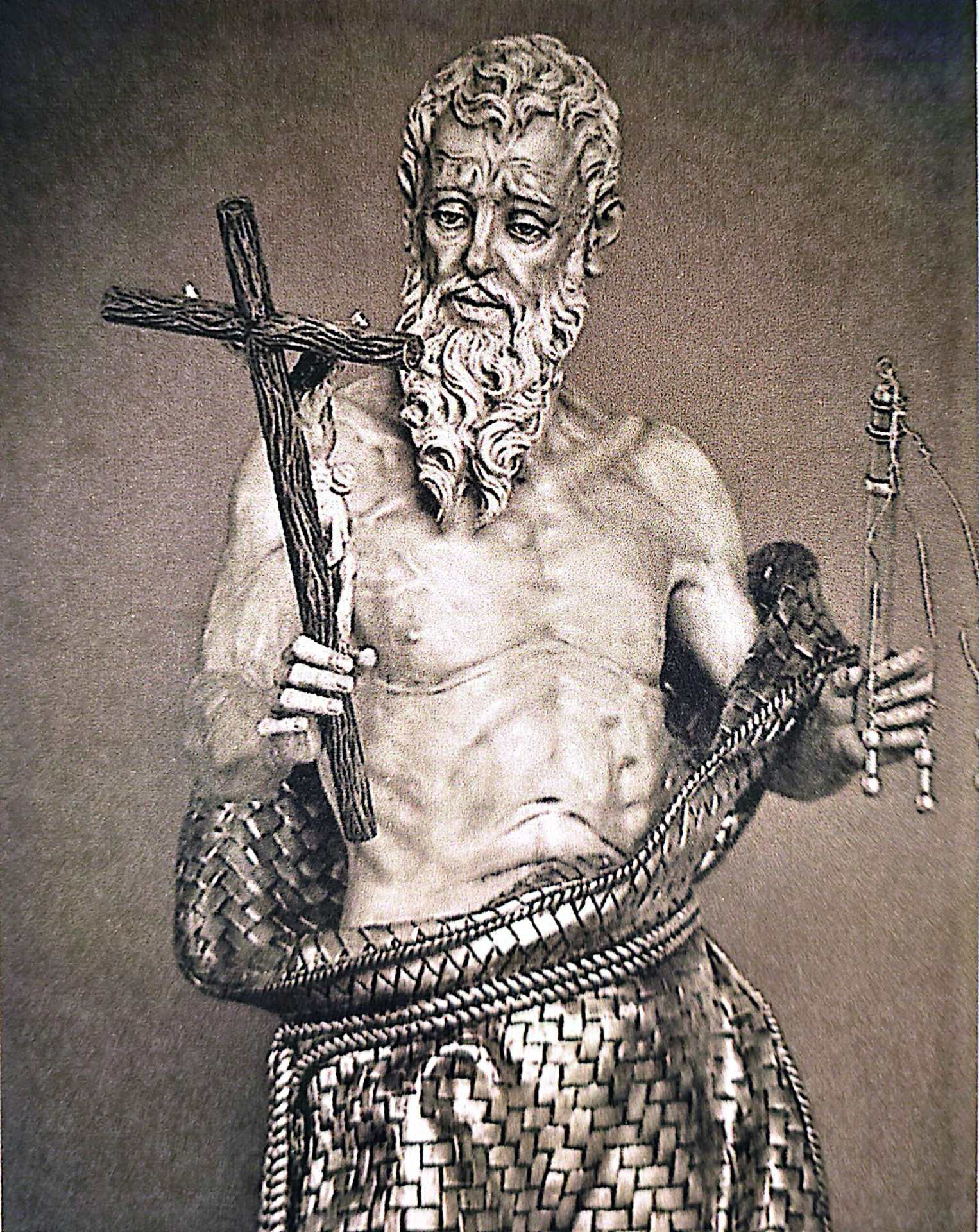
(Hermit Pinto)
In 1670, a Portuguese man named Domingo Pinto arrived on the shores of Orion. He chose to settle near the place where he had landed, at the mouth of the Pandan River. There, he built a simple dwelling and a small chapel dedicated to his patron saint, Saint Anthony of Padua.
The people of Orion came to regard him as a holy man and often sought his prayers. Local tradition attributed numerous favors and reported miracles to his intercession.
On March 21, 1693, Holy Saturday (Sabado de Gloria), the Portuguese hermit Domingo Pinto was found dead at the age of eighty-eight in his hermitage in Pandan. That same month, the Provincial Chapter of the Dominicans in the Philippines was held at the church in Orion.
The Provincial and members of the religious community took the opportunity to participate in Pinto's burial, honoring a man widely regarded by the people of Orion as a holy hermit. In 1730, the church of Orion was transferred to its present location. At the same time, the remains of Domingo Pinto were transferred to the sacristy of the church.
Architectural Significance of the Church of San Miguel Arcangel de Orion
A Distinctive Baroque Heritage
(aRRmada (Photographer) (2010 July 13))
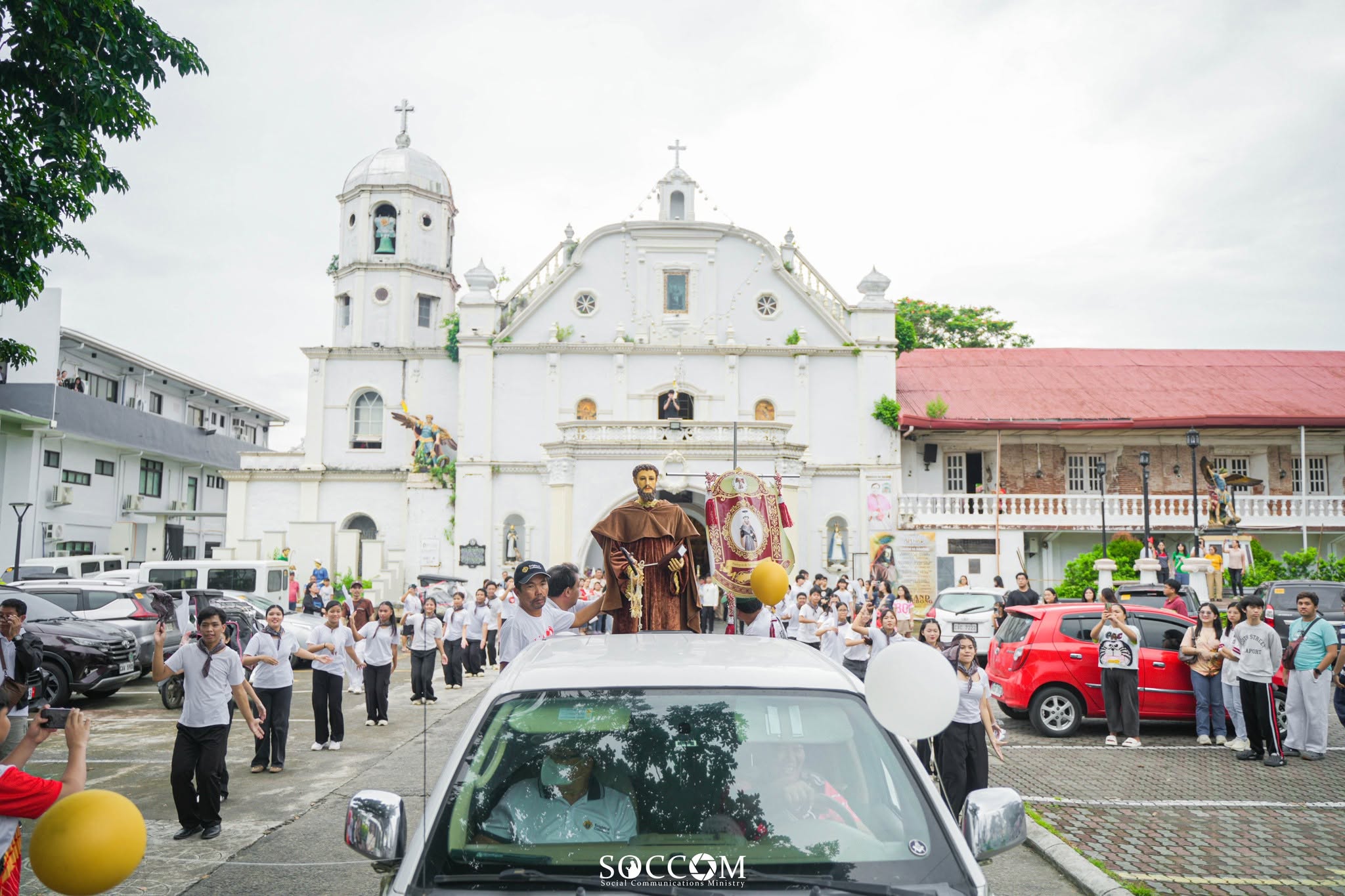
The Church of San Miguel Arcangel de Orion reflects the architectural principles of the Baroque tradition through its strong vertical emphasis, carefully articulated façade, and dramatic geometric forms. Although later additions have obscured much of the original façade, its surviving elements continue to reveal a refined architectural composition.
A Façade of Vertical Elegance
One of the church's defining characteristics is its strong upward architectural emphasis. The pilasters are deliberately proportioned—broader at the lower level and narrower above—to create rhythm, depth, and a sense of upward movement. The massive outer edges, crowned by prominent finials, further reinforce the façade's vertical character.
The Steep Pediment
The church's steeply inclined pediment serves as a principal visual focus of the façade. Its segmented arch, projecting forms, pedestals, and finials create a layered composition that combines movement with monumental presence. At its center is a square-headed niche framed by a subtle Neoclassical-inspired surround and flanked by octagonal windows.
A Meeting of Architectural Traditions
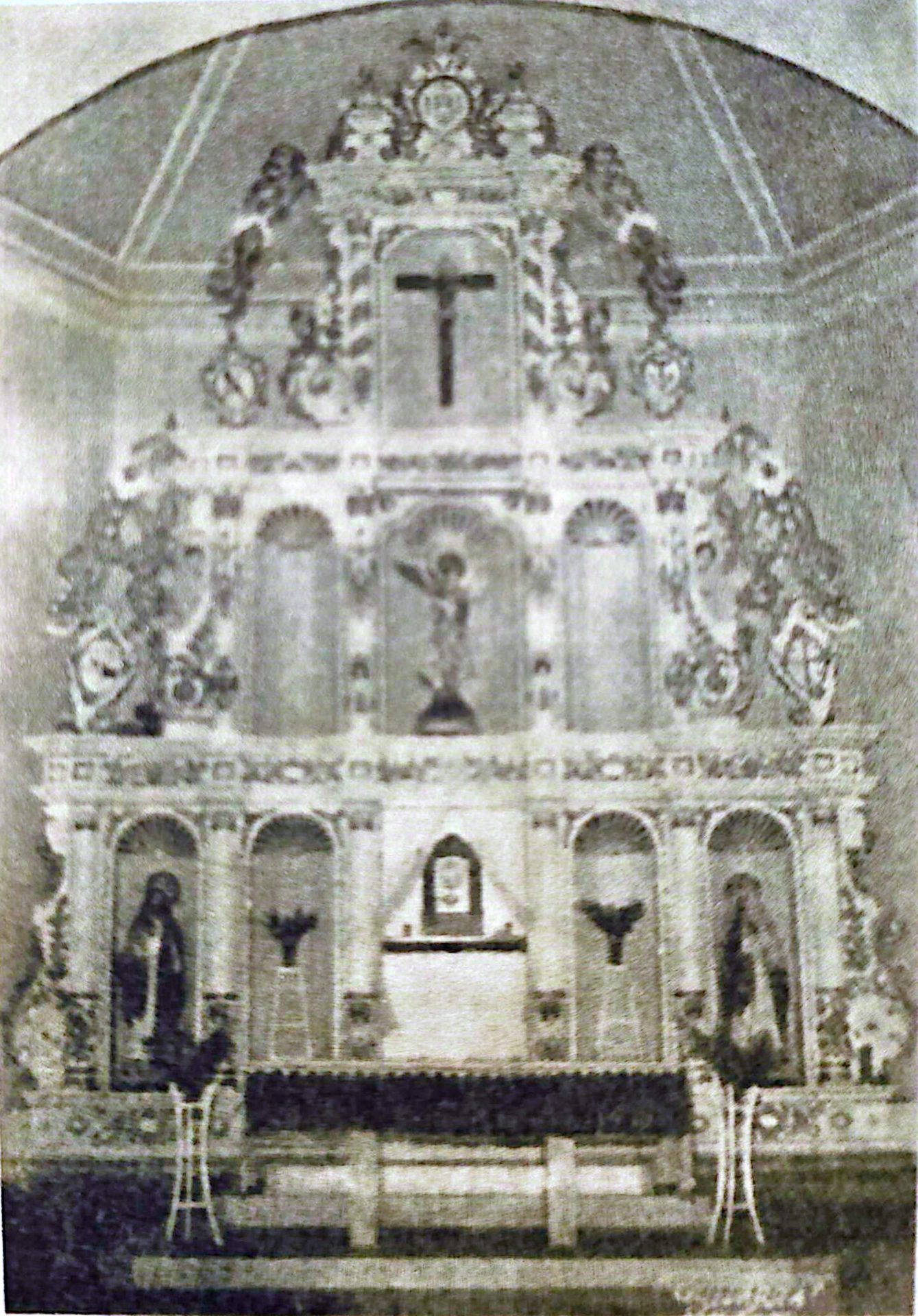
(The retablo after the church renovations in the 60's)
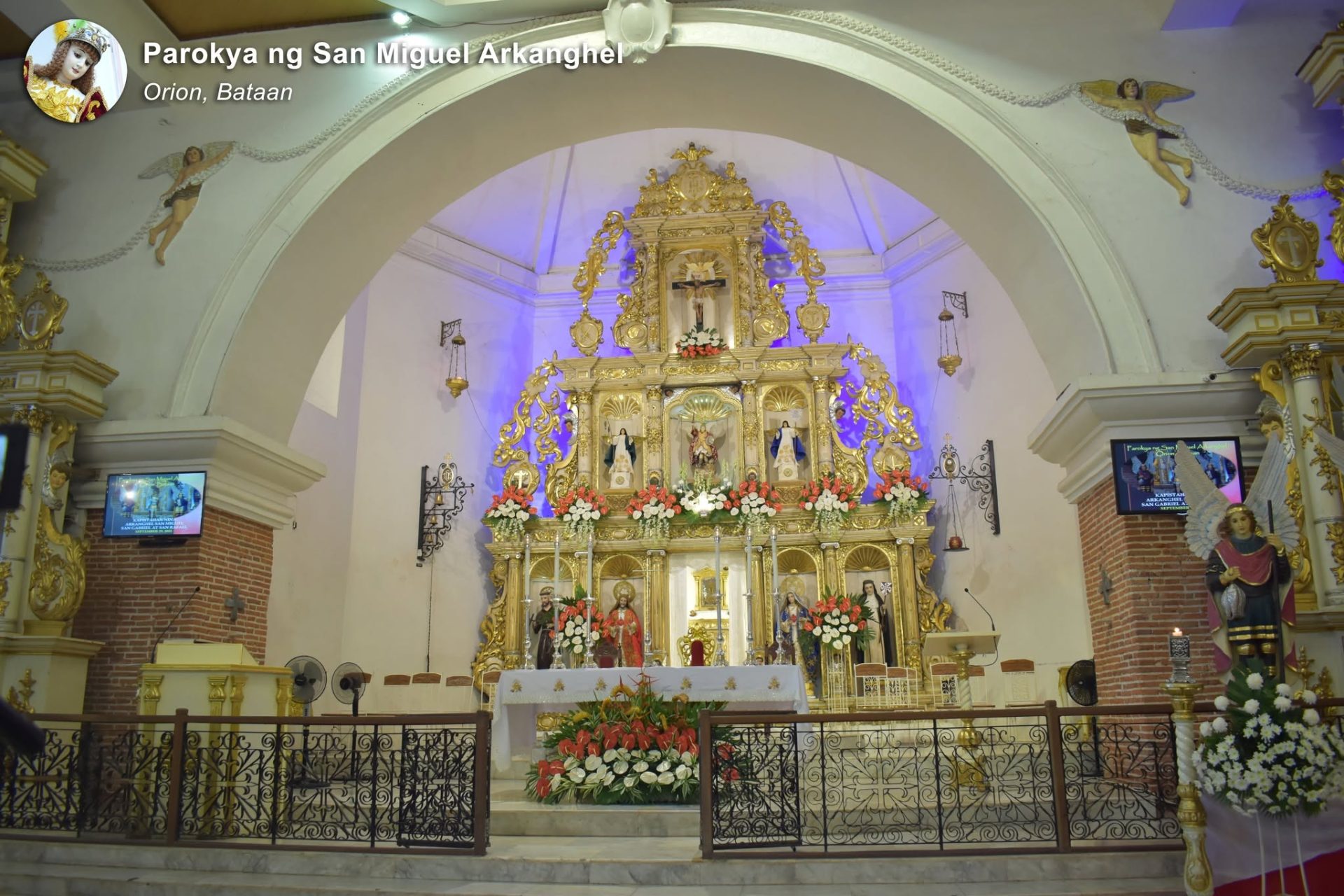
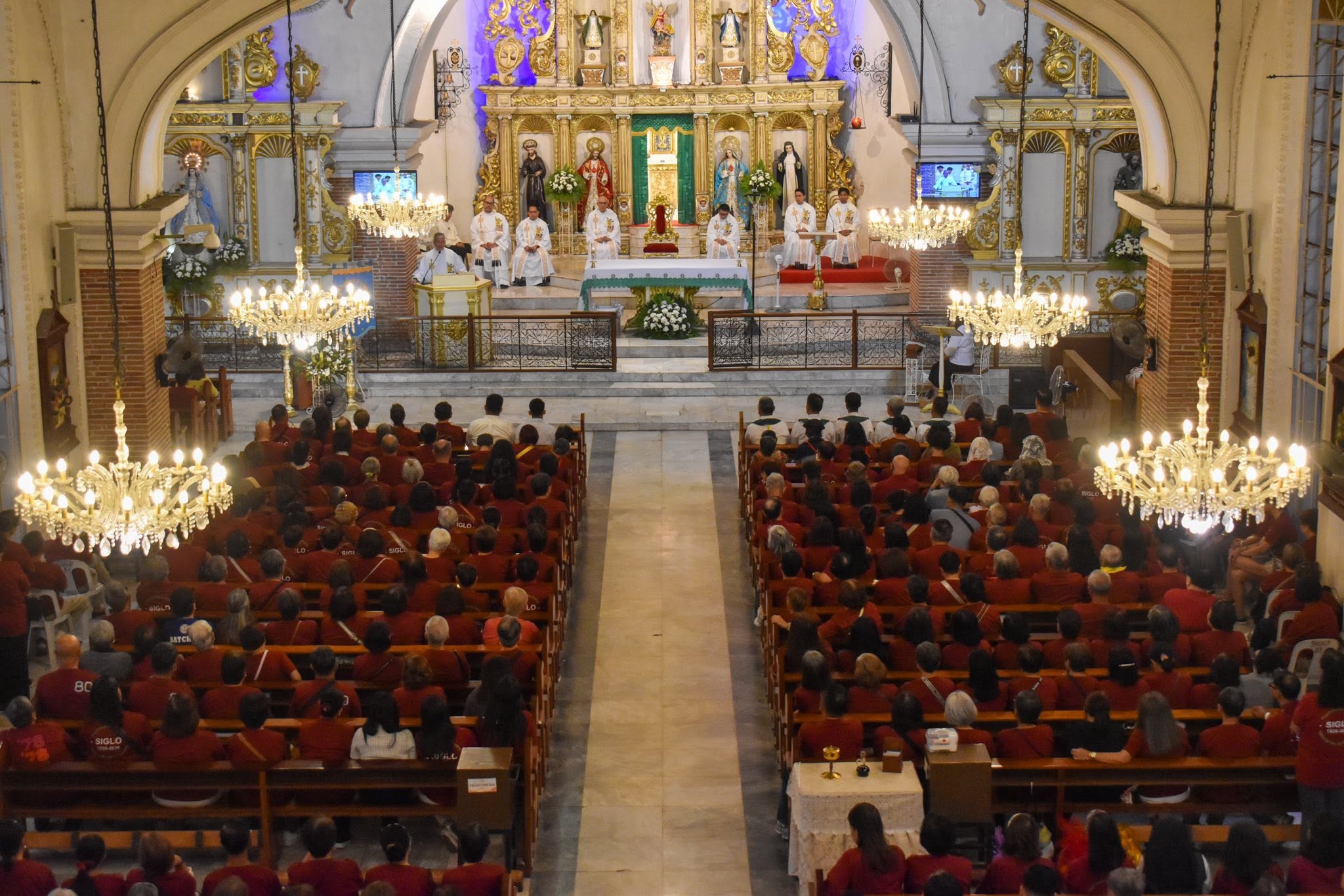
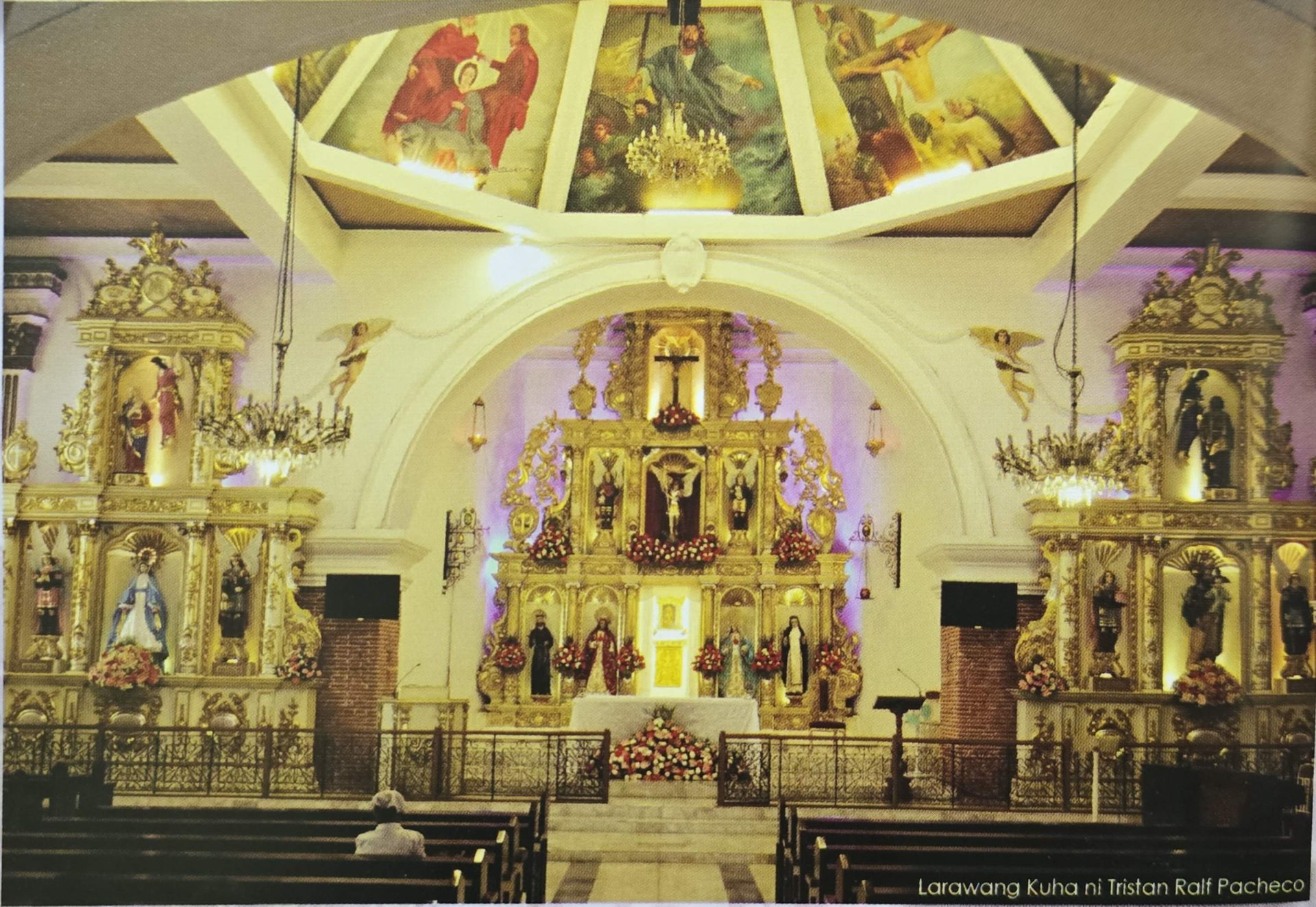
The church presents an intriguing dialogue between architectural styles. Baroque principles dominate the overall composition, while Neoclassical details appear in the treatment of the central niche. Inside, the ornate Rococo-style retable provides a striking contrast to the restrained architectural treatment of the original façade. The Retablo Mayor is believed to be the only surviving colonial-period retablo in the Province of Bataan.
A Belfry with a Layered History
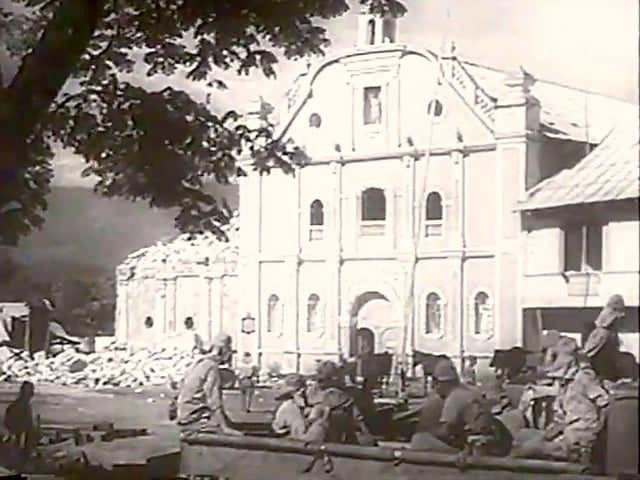
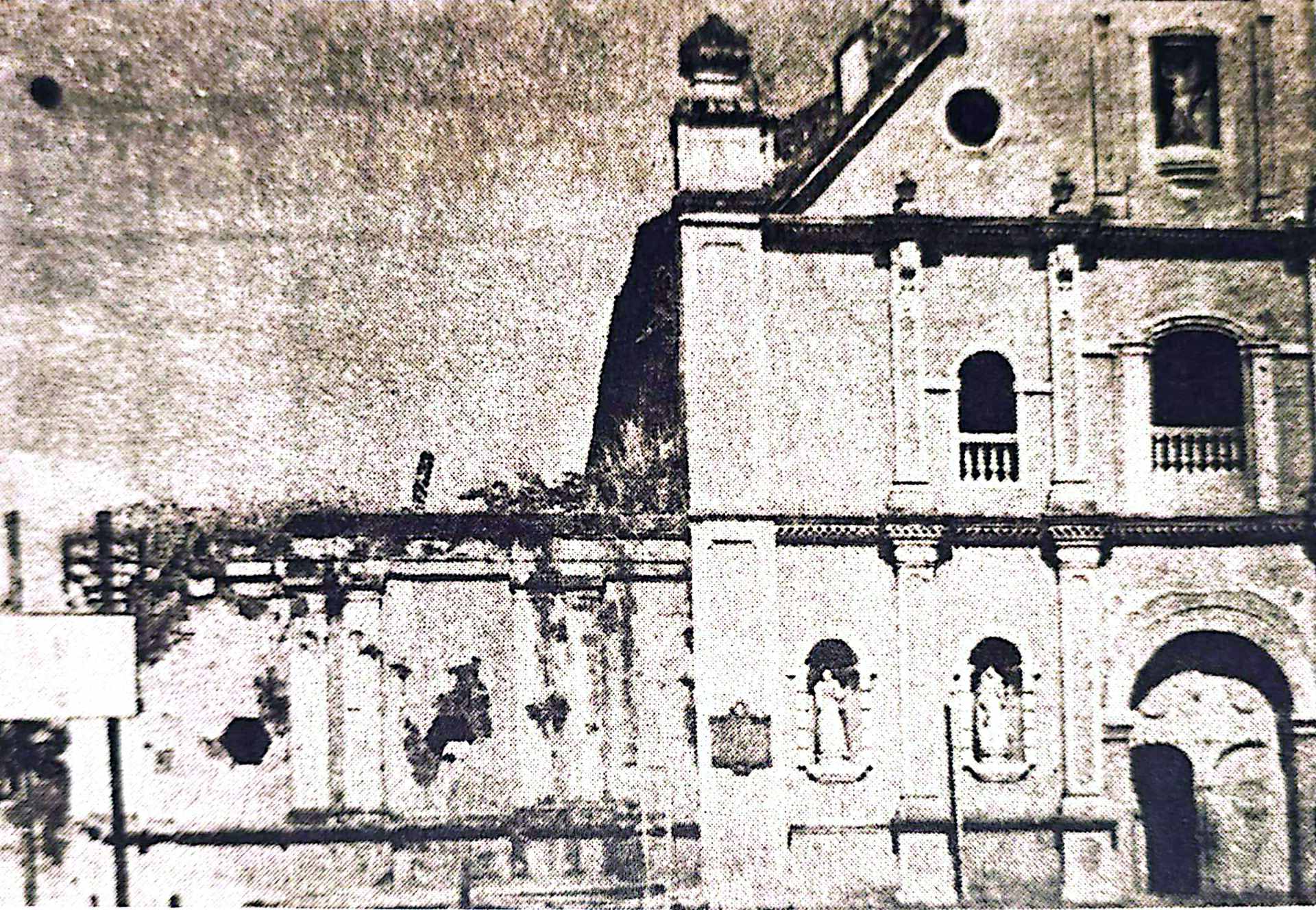 (The bell tower of the church was destroyed during the second world war)
The varying proportions of the belfry suggest that it was modified or completed in different periods. Its substantial lower section, which incorporates the baptistery, contrasts with the lighter upper levels. Rather than diminishing its significance, these changes contribute to the tower's character as a structure shaped by time, adaptation, and successive generations.
The Geometric Rhythm of the Belfry
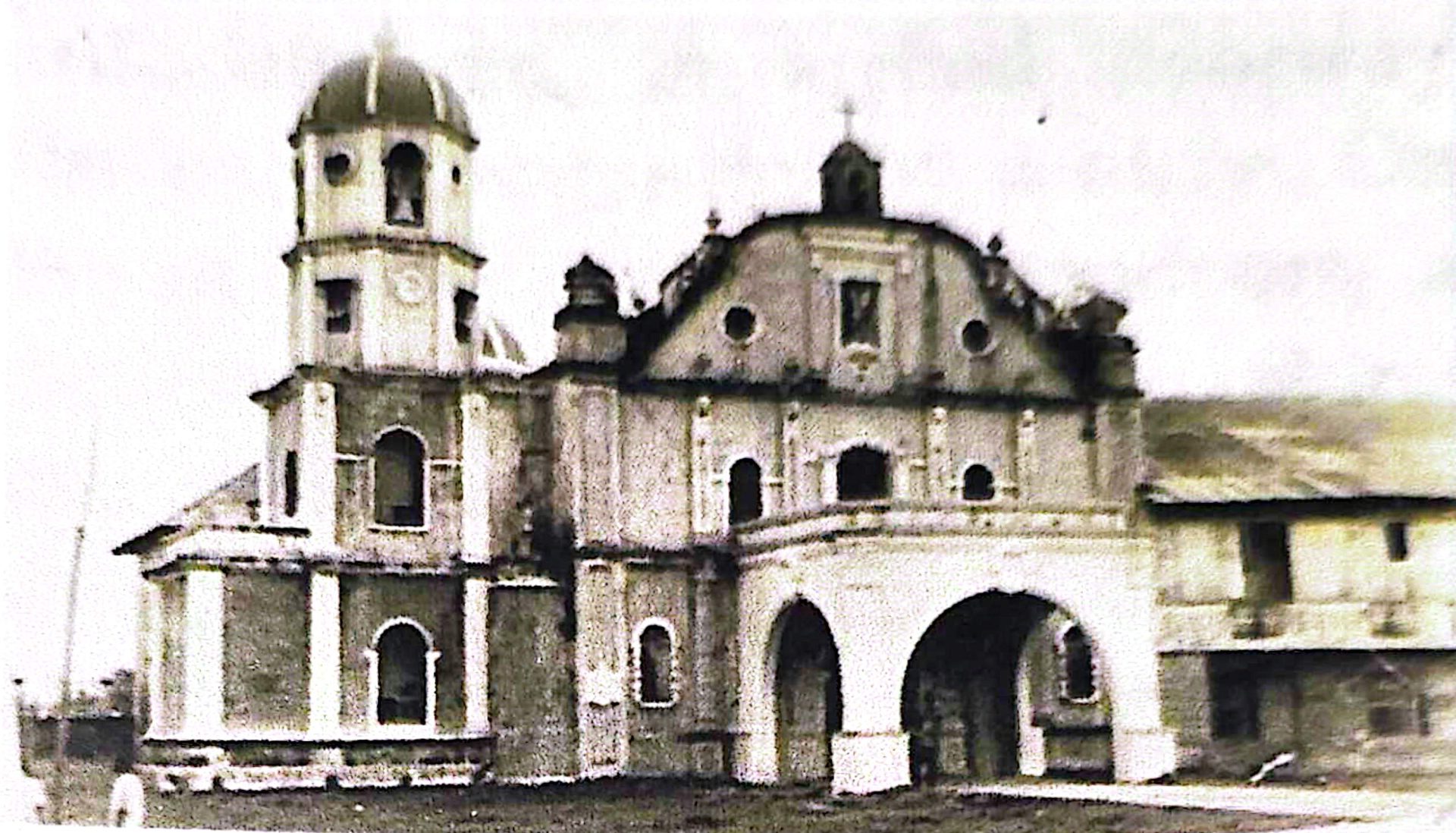
(The church facade after the reconstruction of the bell tower and the portico in the 60's)
The belfry is distinguished by its progression of geometric forms. Its massive square base rises into progressively smaller sections before transitioning into octagonal upper levels, culminating in an octagonal dome. This gradual transformation from square to octagonal forms gives the tower its recognizable architectural character.
Architecture Shaped by Time
The present appearance of the church represents more than a single architectural moment. The original façade, later portico, altered belfry, and surviving decorative elements collectively reveal a building that has evolved alongside the community it serves. Its architectural layers provide valuable evidence of changing aesthetic preferences, construction practices, and historical circumstances.
A Heritage of Enduring Character
Despite alterations that have obscured portions of its original design, the Church of San Miguel Arcangel de Orion retains a remarkable architectural identity. Its steep pediment, distinctive pilasters, massive façade edges, geometric belfry, octagonal dome, and Rococo interior form a unique ensemble that contributes to the architectural heritage of Orion and the wider Philippine church tradition.


Historical Milestones
- Francisco Balagtas, celebrated as the "Prince of Tagalog Poets", was married in this church on July 22, 1842, to Doña Juana Tiambeng, a native of Orion. Balagtas later made Orion his home, where he lived until his death in 1860.
- On March 2, 1847, Don Cayetano Arellano, who later became the first Chief Justice of the Supreme Court of the Philippines, was born in Orion and baptized in the town's church.
- On February 1, 1885, the well-known writer and distinguished son of Orion, Julian de la Cruz Balmaseda, was baptized in the church. He had been born just four days earlier.
- On May 29, 1898, Orion was occupied by revolutionary Katipuneros under the leadership of Victor Baltazar, the son of Francisco Balagtas. The revolutionaries captured the cazadores, while the parish priest, Fr. Ulpiano Herrero, sought refuge and remained hidden for several days in the church bell tower.
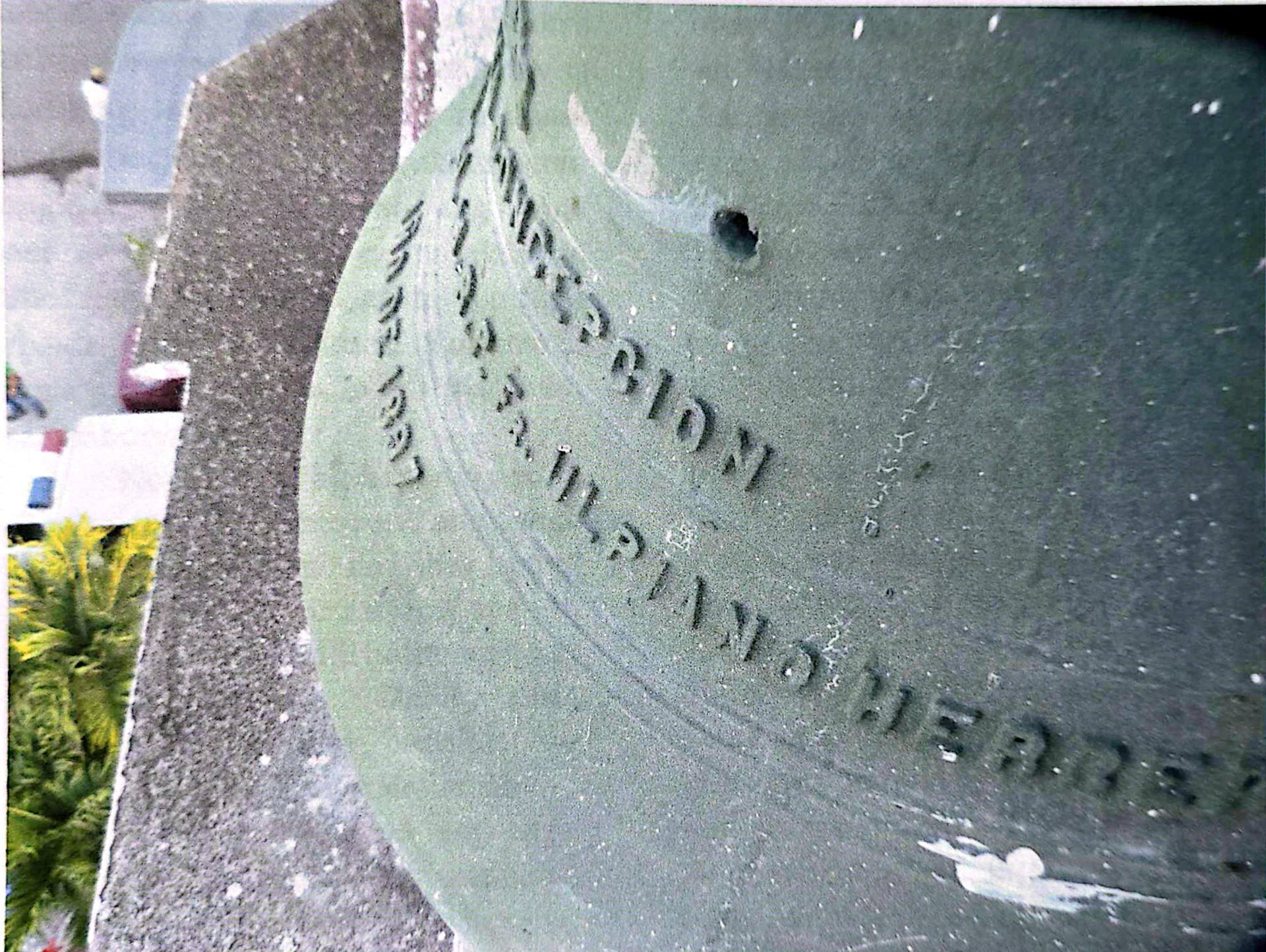
(This church bell was cast during the tenure of Fr. Ulpiano Herrero as parish priest. The hole visible in the belfry is believed to be a remnant of gunfire sustained)
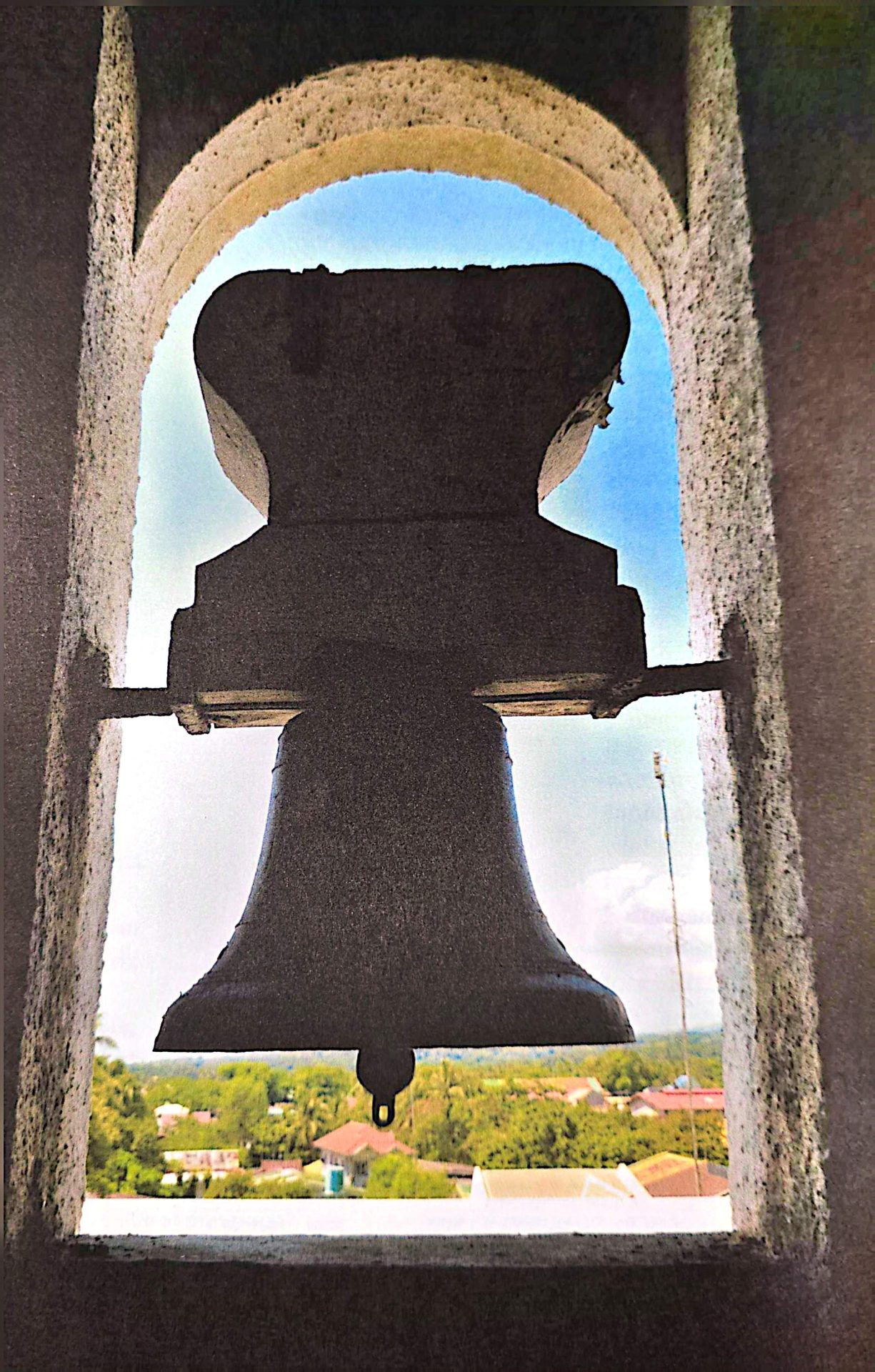
(This photograph captures the newly rebuilt church belfry in the postwar period. During the 1898 Revolution, the belfry served as a place of refuge where the priest)
Architectural Restoration
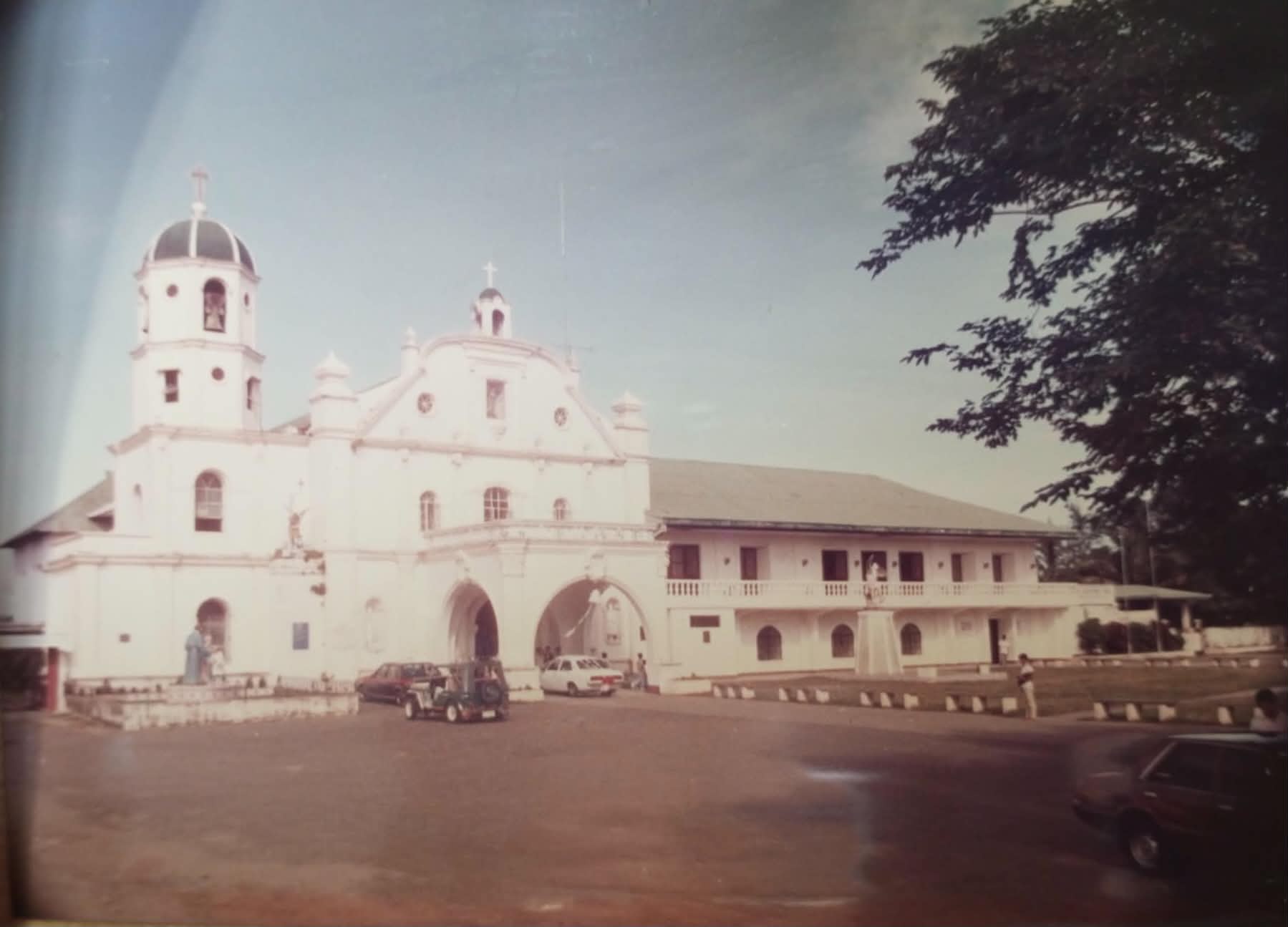
- On May 8, 1969, the completion of the church's reconstruction was formally celebrated as part of the 300th anniversary of the establishment of the parish and the town of Orion. The reconstruction resulted in significant changes to the church. The ceiling, walls, flooring, windows, and altar were altered, while a porte-cochère or portico was added to the structure.
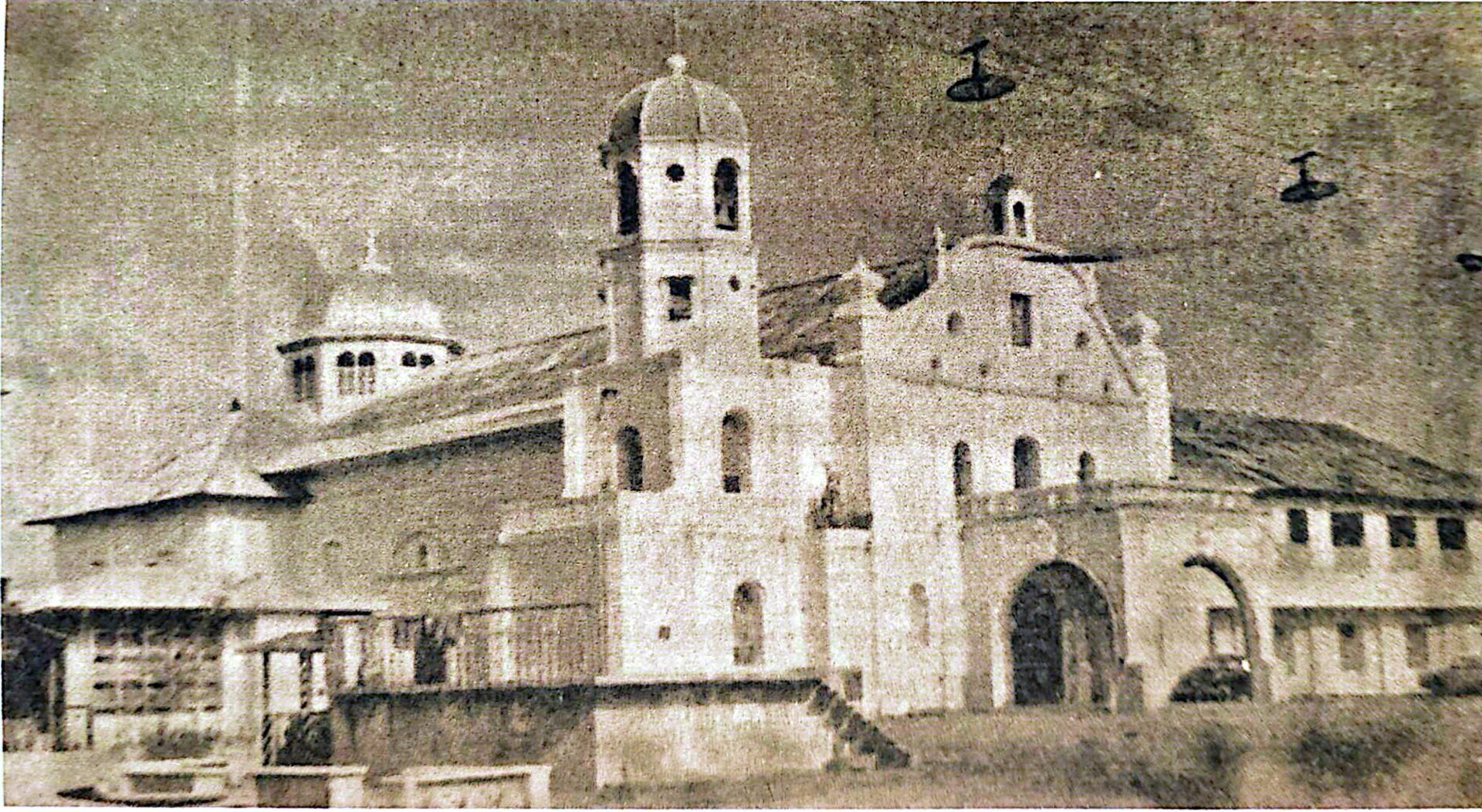
(The church after the renovations in the 60's)
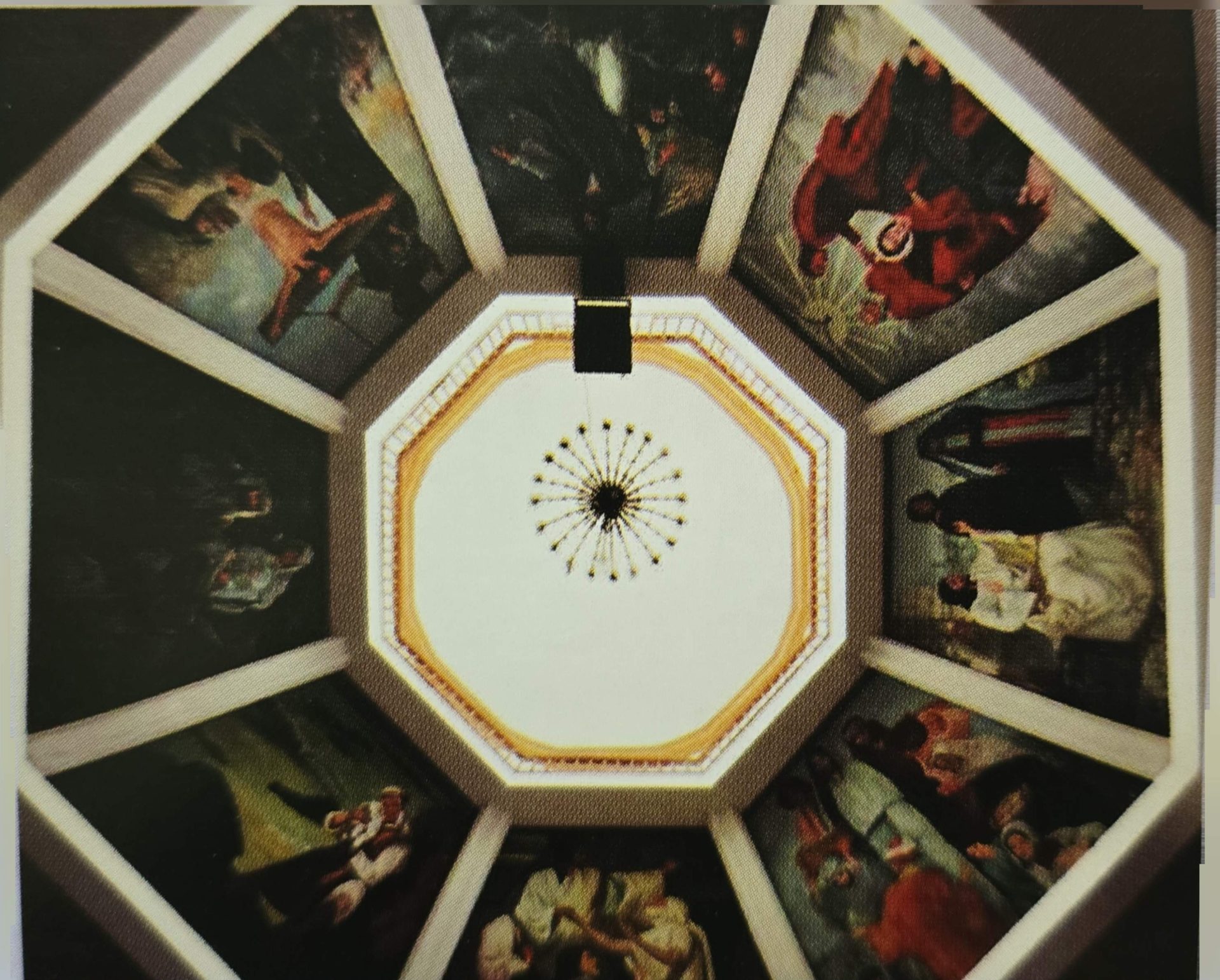
- During the 1980s, under the leadership of Msgr. Wilfredo Paguio as parish priest, painted artworks were commissioned for the interior of the church dome, together with sculpted reliefs of angels on the church walls.
- On October 1, 1984, the restored and renovated Orion convent was formally inaugurated and blessed. The project was carried out with the leadership and support of the members of the Parish Pastoral Council.
- On December 15, 2007, under the leadership of Fr. Rene de Leon, a side retablo modeled after the retablo mayor was constructed. The retablos were subsequently finished with gold leaf, adding greater richness and beauty to the church interior.
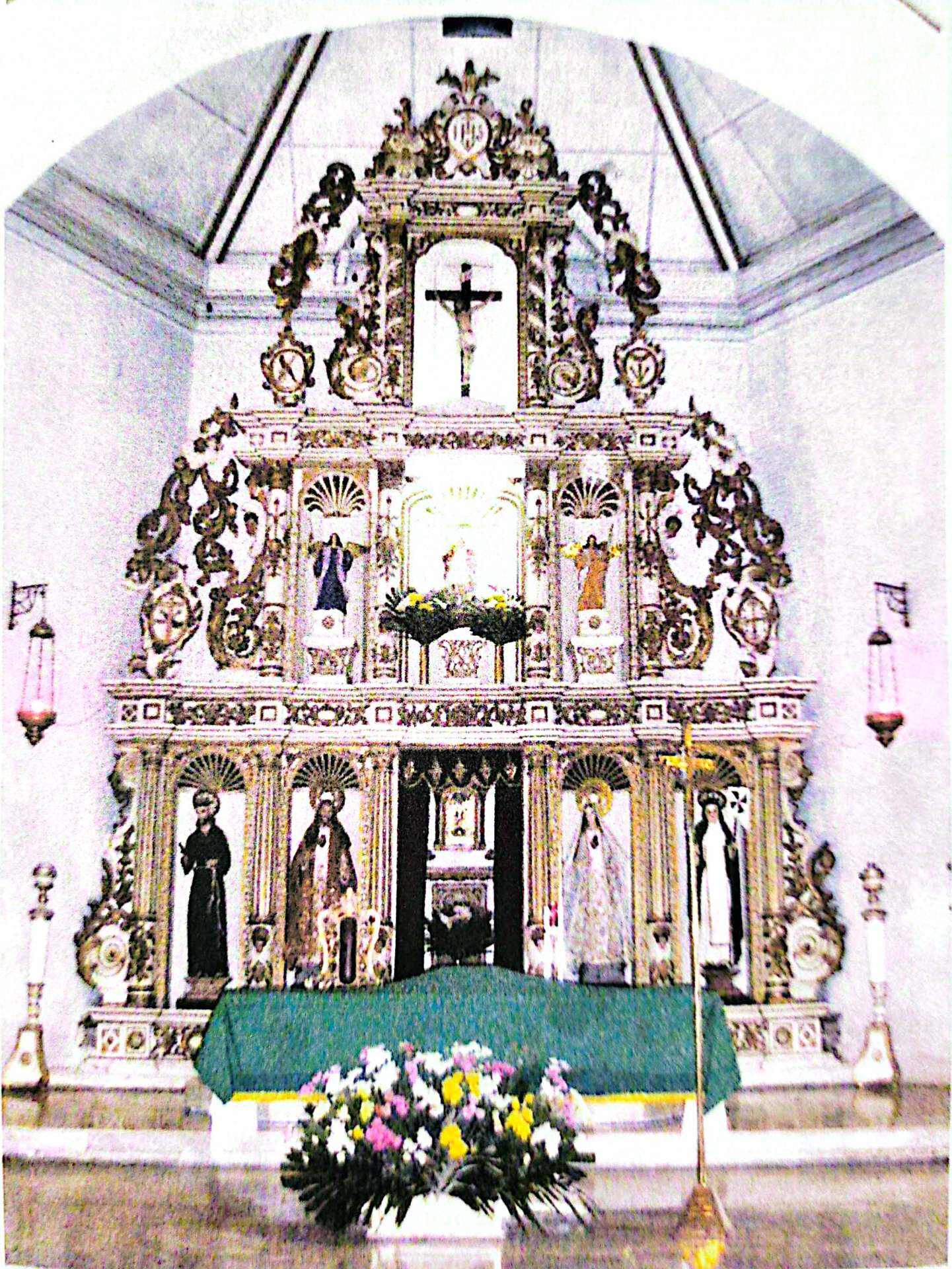
(The retable before the gold leafing)
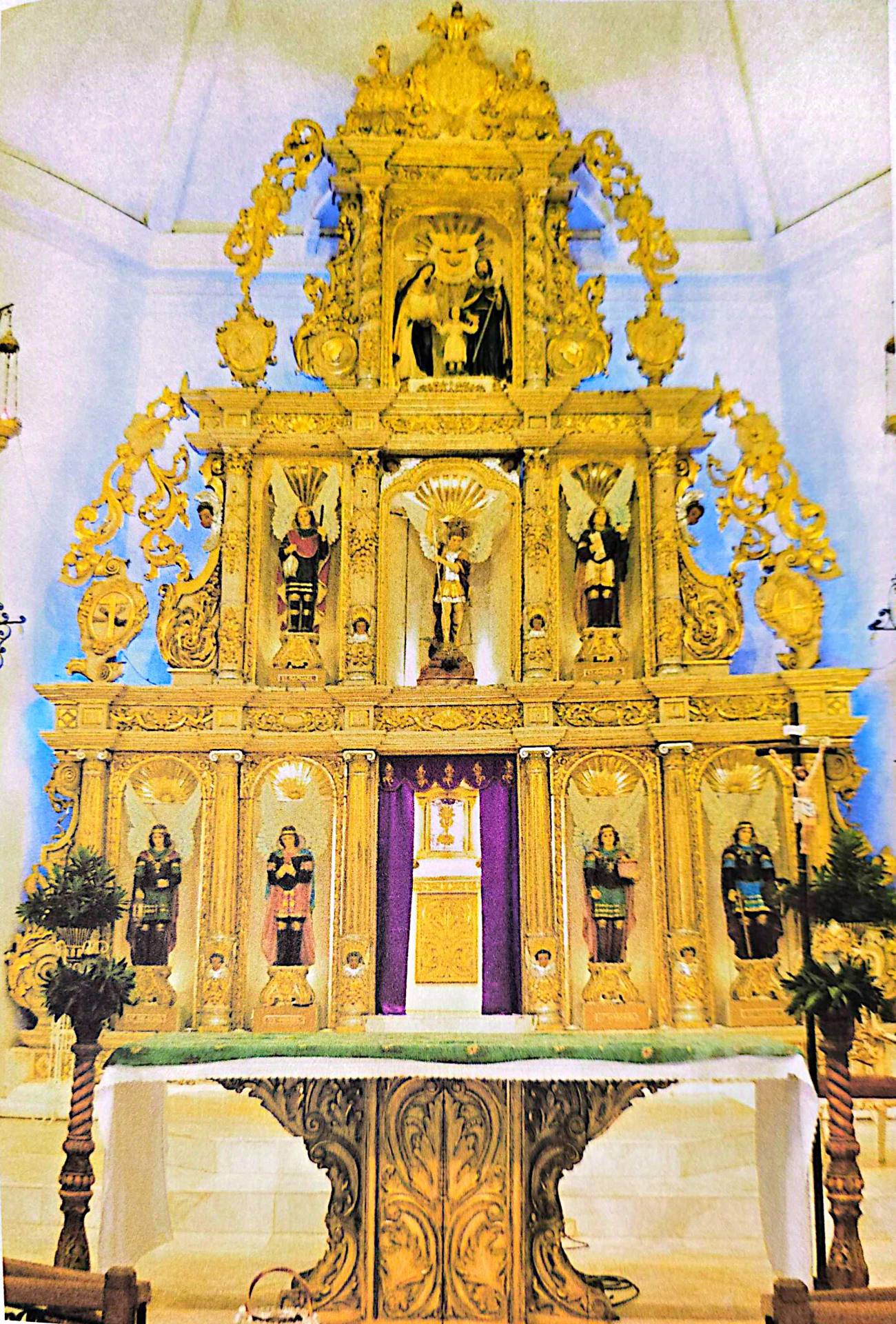
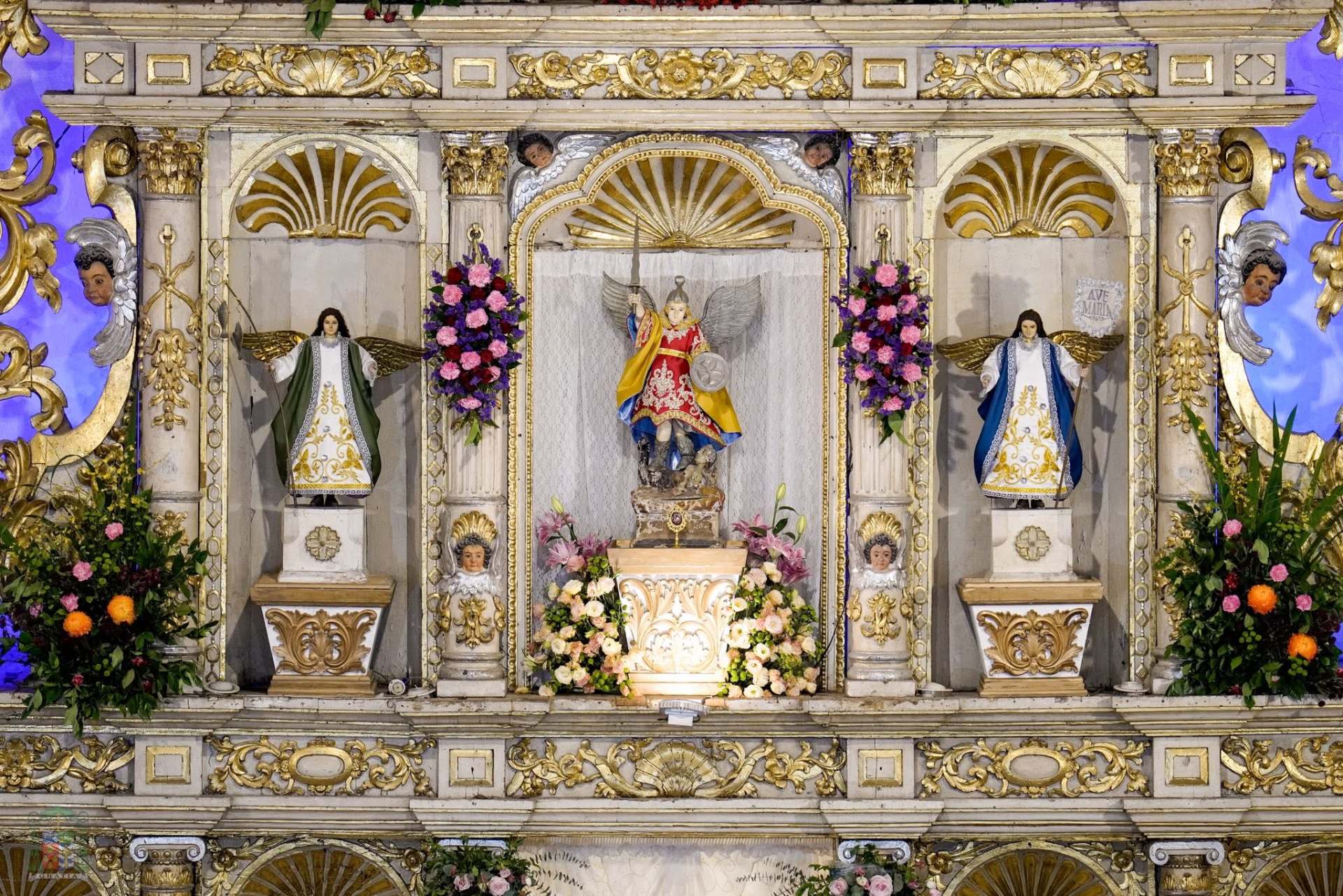
(The present retablo of St. Michael the Archangel)
- In 2014, extensive restoration and renovation projects were undertaken. This included repairs to the wooden flooring, as well as improvements to the corridor and its windows.
- In 2015, the church façade was repaired and repainted. The balusters on the pediment were restored, a new church restroom was constructed, and the altar and Communion rails inside the church were restored and reinstalled.
- On December 8, 2015, a small Divine Mercy Shrine was inaugurated and blessed at the rear of the church. This took place as the Catholic Church began the Jubilee Year of Mercy (2015–2016) proclaimed by Pope Francis.
- From 2016 to 2017, extensive restoration and renovation work was carried out in various parts of the church in preparation for the celebration of its 350th anniversary. The work included improvements to the chandeliers and kitchen, as well as the installation of a large electric fan inside the church to improve ventilation and comfort. The parish also held a year-long celebration marking the 350th anniversary of the establishment of the parish and the town.
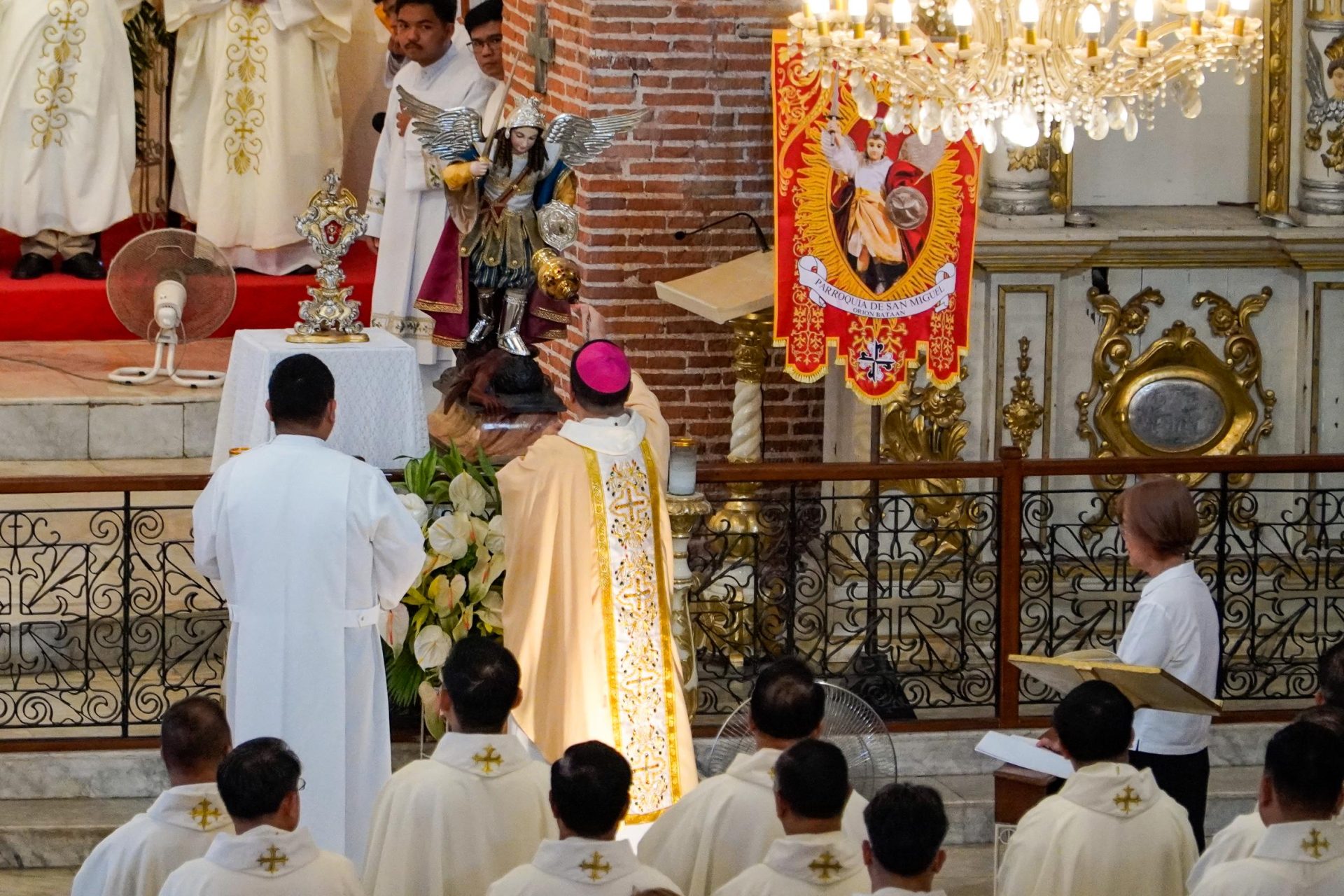
- On April 29, 2017, the Church of Saint Michael the Archangel of Orion was solemnly rededicated and consecrated as part of the celebration of the 350th anniversary of the establishment of the parish and the town. The ceremony was presided over by Most Rev. Ruperto C. Santos, D.D., who served as the principal celebrant.
A Continuing Legacy
Since its establishment in 1667, the Parish of Saint Michael the Archangel has remained at the heart of Catholic life in Orion. Its history reflects centuries of worship, pastoral ministry, community life, and devotion.
The church has witnessed changes in church leadership, natural disasters, armed conflicts, fires, renovations, and the passing of generations.
Through all these changes, the parish community has continued to gather for the celebration of the Eucharist and the sacraments, faithfully passing the Catholic faith from one generation to the next.
Today, the historic church stands as both a place of worship and a living testament to Orion's rich Catholic heritage. Its architecture, artworks, devotional traditions, and historical records tell the story of the generations of clergy, religious, and lay faithful who have built, served, worshiped, and cared for this parish.
The story of the Parish of Saint Michael the Archangel is therefore not merely a story of the past. It is a continuing history—carried forward by the clergy, religious, and lay faithful who remain committed to preserving its heritage and living out its mission as a Catholic community.
Key Architectural Terms
- Baroque – An architectural style known for dramatic forms, movement, elaborate details, and strong visual effects.
- Façade – The main front or exterior face of the church.
- Pilasters – Flat, column-like elements attached to the façade that emphasize verticality and add depth and decoration.
- Pediment – The upper section of the façade that serves as an important architectural and decorative focal point.
- Portico – A covered entrance or porch at the front of a building, usually supported by columns or other structural elements. In the church, the later-added portico obscures much of the original façade.
- Niche – A recessed space in a wall used to display a statue, religious image, or decorative feature.
- Retablo Mayor – The principal and often richly decorated altarpiece located behind the main altar.
- Belfry – The section of a church tower that houses the bells.
- Octagonal Dome – A dome with an eight-sided form that crowns the belfry and gives the tower its distinctive appearance.
- Rococo – A highly decorative style characterized by elaborate ornamentation, graceful curves, and intricate details.